
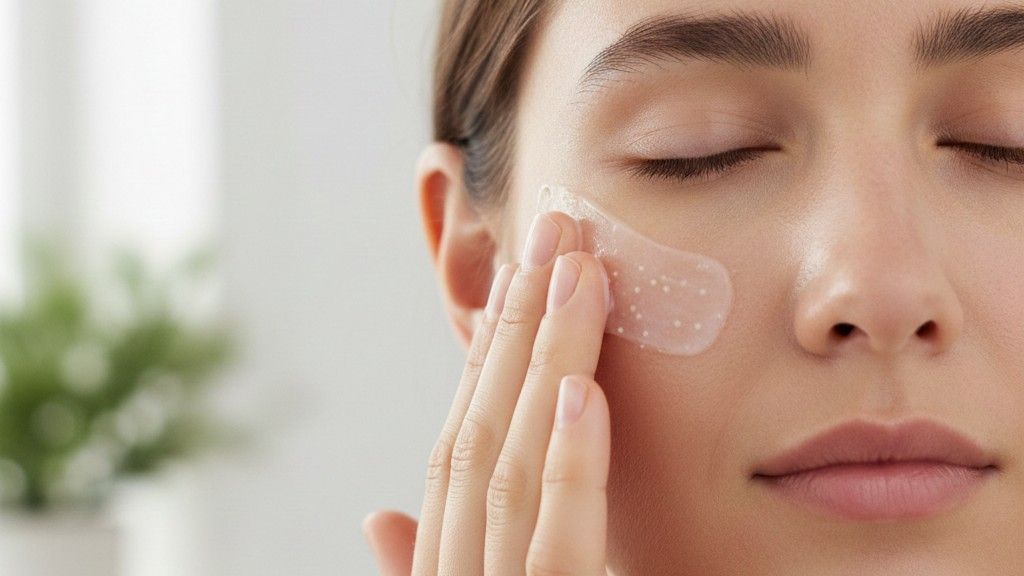
Achieving a radiant and healthy complexion is a goal many aspire to, and the cornerstone to revealing such vibrant skin is the art of exfoliation. With an abundance of products on the market, selecting the ideal facial exfoliator can be both daunting and confusing. In this guide, we elucidate the key factors to consider in order to find a facial exfoliator that suits your skin’s needs and preferences perfectly.
Understanding Exfoliation
Exfoliation is the process of removing dead skin cells from the surface of the skin. This not only imparts a smooth and glowing appearance but also enhances the skin’s ability to absorb other skincare products, such as serums and moisturisers. However, not all exfoliators are created equal, and understanding the difference between the types is crucial for an effective skincare routine.
Chemical vs Physical Exfoliators
At the foundational level, there are two primary categories of exfoliators: chemical and physical. Chemical exfoliators, such as alpha-hydroxy acids (AHAs) and beta-hydroxy acids (BHAs), work by dissolving the bonds that hold dead skin cells together, allowing for easier removal. On the other side, physical exfoliators involve small grains or beads that manually scrub the skin’s surface.
Choosing between chemical and physical exfoliation is a matter of skin type and personal preference. While chemical exfoliators are recommended for those with sensitive or acne-prone skin due to their gentle nature, physical exfoliators can be suitable for individuals with tougher or less sensitive skin.
Factors to Consider When Choosing a Facial Exfoliator
Selecting the right exfoliator is not a one-size-fits-all approach. There are several factors to be considered for a tailored experience.
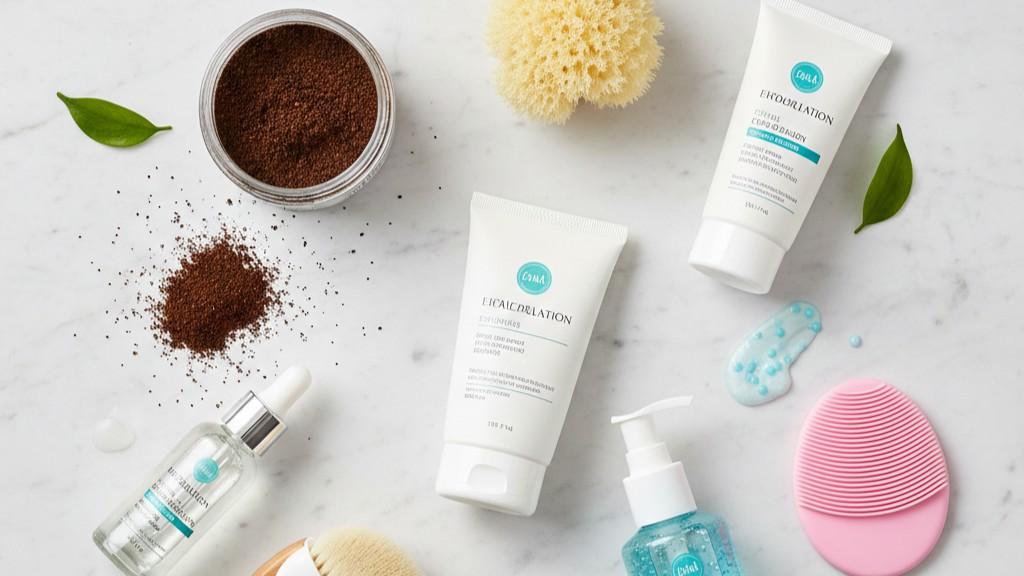
Understanding Your Skin Type
One of the primary determinants in choosing an exfoliator is your skin type. Oily, dry, combination, and sensitive skin types each have distinct needs, and using an incompatible exfoliator can lead to irritation or exacerbate skin issues.
Frequency of Exfoliation
The frequency of exfoliation is paramount to preventing skin damage. It’s recommended to start with once or twice a week and adjust based on how your skin reacts. Over-exfoliation can strip the skin of its natural oils, leading to irritation and inflammation.
Ingredient Quality and Concentration
Quality ingredients are essential for a beneficial exfoliation routine. Look for exfoliators that contain skin-friendly ingredients and consider the concentration of active exfoliating agents — particularly if opting for chemical exfoliators.
Compatibility with Other Skincare Products
Your facial exfoliator should integrate seamlessly into your existing skincare regimen. Consider how the product interacts with the other elements of your routine, such as serums and moisturisers, to ensure it complements rather than counteracts their benefits.
Reading the Labels
Understanding product labels is key to finding an exfoliator that’s perfectly suited for you. Look for terms like “non-comedogenic,” indicating that the product won’t clog pores, or “hypoallergenic” for those with sensitive skin.
Expert Recommendations
Healthcare professionals and skincare experts can provide valuable insight into the best products for your skin type and concerns. They can also advise you on the most effective application techniques.
Addressing Specific Skin Concerns
Whether you’re battling acne, trying to diminish the appearance of fine lines, or aiming to improve texture, the right exfoliator can make a significant difference. Be sure to focus on products that are targeted toward your specific concerns for the best results.
Prioritising Personal Preferences
Your personal preferences, whether it be fragrance-free or environmentally-conscious packaging, are also essential in your decision. Feeling good about the products you use can encourage consistency and enhance your skincare experience.
Sample and Test
Before fully committing, it’s wise to sample different exfoliators. Many brands offer smaller sizes or samples which allow you to test how your skin reacts to the product without a significant upfront investment.
Considering the Season

The skin’s needs can change with the seasons. In winter, when the skin might be dryer, a gentle exfoliator may be preferred. In contrast, summer may warrant a more robust approach to control excess oil and sweat.
Price vs Quality
While expensive does not always equate to effectiveness, investing in high-quality skincare can offer better results in the long term. Evaluate the cost against the product’s quality and the benefits it provides to your skin routine.
Following Up with Proper Skin Care
Post-exfoliation care is critical. Always follow up with hydrating and soothing skincare products to nourish the skin and protect the new cells that have been revealed.
Concluding Thoughts
Finding the perfect facial exfoliator is a blend of understanding your skin’s needs and aligning them with the appropriate product types while taking into account external factors such as lifestyle, budget, and personal preferences. With the right choice, you can revitalize your complexion and maintain a healthy, radiant glow.
Remember, consistency is key in skincare, and like any healthy habit, patience and regularity will yield the most fruitful results. Now that you’re armed with the knowledge to choose the ideal exfoliator, go forth and reveal your best skin.