

Owning a vehicle is more than just a convenience—it’s an investment. Whether it’s your daily commuter, a family SUV, or a prized classic, ensuring your car lasts for years saves you money, stress, and unexpected breakdowns. The key to vehicle’s lifespan isn’t a secret; it’s a combination of smart habits, regular maintenance, and timely care. Here are proven strategies to keep your vehicle running strong for the long haul.
1. Stick to Regular Oil Changes
Engine oil is the lifeblood of your car. It lubricates moving parts, reduces friction, and helps prevent overheating. Over time, oil breaks down, becoming less effective at protecting your engine. Skipping oil changes can lead to severe engine damage, costing thousands in repairs.
For those in Orem, Utah, scheduling routine oil changes is easy and can make a noticeable difference in your car’s performance. Depending on your vehicle, most manufacturers recommend oil changes every 3,000 to 7,500 miles. Check your owner’s manual and set reminders to avoid unnecessary wear.
2. Follow the Maintenance Schedule
Every vehicle comes with a manufacturer’s maintenance schedule. This includes regular inspections, fluid checks, tire rotations, brake servicing, and more. Following this schedule isn’t just bureaucratic—it’s critical for longevity. Preventive maintenance identifies minor issues before they become major repairs, keeping your car running efficiently and safely.
3. Drive Smoothly

How you drive has a huge impact on your car’s lifespan. Rapid acceleration, hard braking, and aggressive cornering put extra strain on your engine, transmission, and suspension. Smooth, gradual driving reduces wear and tear on essential components and improves fuel efficiency.
Highway driving at consistent speeds is generally easier on your vehicle than frequent stop-and-go city driving. But regardless of your route, maintaining a steady driving style is one of the simplest ways to protect your investment.
4. Keep Your Tires in Check
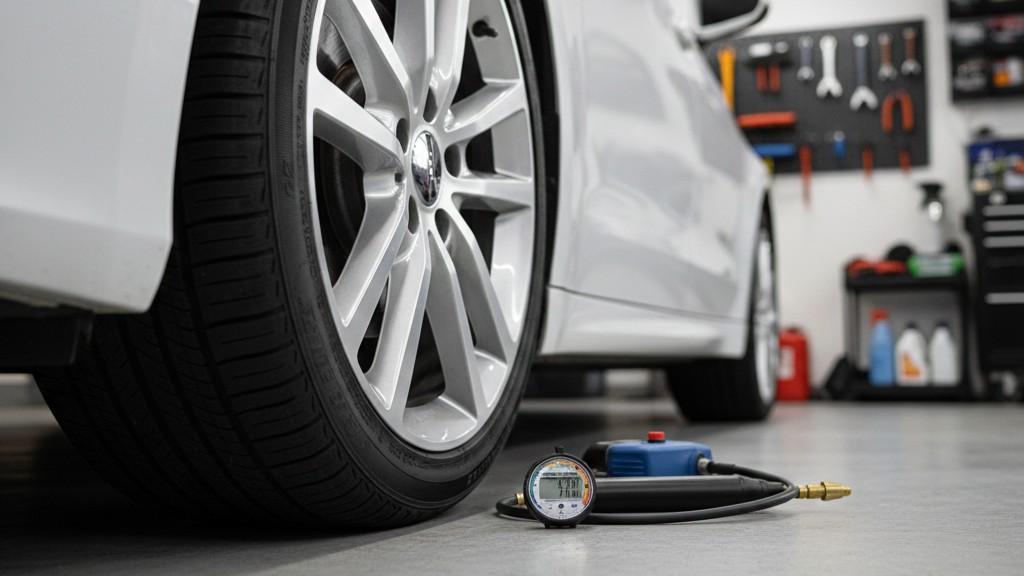
Tires are often overlooked, yet they play a vital role in vehicle longevity. Underinflated or overinflated tires lead to uneven wear, reduced fuel efficiency, and increased risk of blowouts. Rotate your tires regularly, align your wheels as needed, and replace tires before they become dangerously worn. Proper tire care not only extends their lifespan but also protects your suspension and improves overall handling.
5. Monitor Fluids and Filters
Beyond engine oil, your car relies on a range of fluids to operate smoothly, including transmission fluid, brake fluid, coolant, and power steering fluid. Neglecting these can cause overheating, component failure, and expensive repairs.
Air filters, fuel filters, and cabin filters also play a role. Clean filters allow your engine to breathe properly and your HVAC system to function efficiently. Inspect and replace filters on schedule to maintain optimal performance.
6. Protect Against Rust and Corrosion
Rust is a silent killer for vehicles, gradually weakening the frame and body panels. Wash your car regularly, especially in areas that use road salt during winter months. Waxing your car a few times a year adds a protective layer that repels moisture and keeps your paint looking fresh. For older vehicles, consider rust-proofing treatments to prevent structural damage.
7. Don’t Ignore Warning Signs
Modern cars have sophisticated sensors and warning lights for a reason. Dashboard alerts—such as check engine lights, low oil pressure, or brake warnings—should never be ignored. Addressing issues early can prevent small problems from turning into catastrophic failures, saving time, money, and stress.
8. Store Properly When Not in Use
If you don’t drive your car daily, how you store it matters. Keep it in a garage or covered area to protect it from sun, rain, and temperature extremes. Regularly start the engine and drive short distances to keep fluids circulating and the battery charged. Investing in custom garage storage helps organize your space, protect your vehicle, and reduce clutter.
9. Consider Professional Inspections
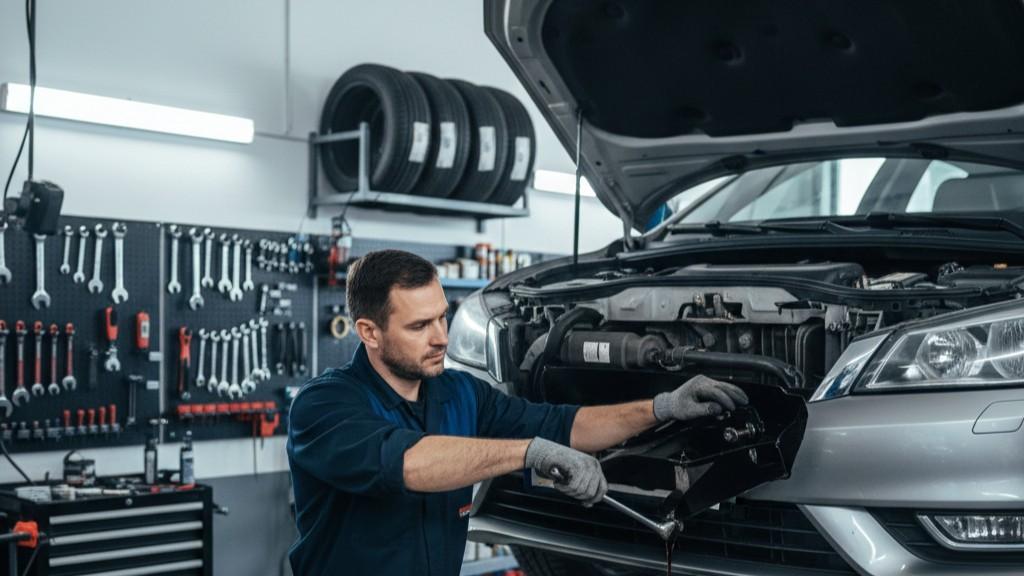
Even with diligent care, professional inspections catch problems that may go unnoticed. Mechanics can identify early signs of wear on belts, hoses, and suspension components. Scheduling periodic inspections ensures that minor issues are fixed before they affect your vehicle’s longevity.
Maintaining a vehicle’s lifespan doesn’t have to be overwhelming. By combining regular oil changes, adherence to your maintenance schedule, careful driving, and proactive care, your vehicle can stay reliable and efficient for years to come. Treat your car as an investment, and it will reward you with dependable performance, fewer repairs, and more miles on the road.