
Maintaining a healthy and radiant complexion is a top priority for many individuals, and at the heart of this quest lies the fundamental principle of skin hydration. Hydrated skin is not just about surface-level beauty; it directly impacts the skin’s overall health, resilience, and ability to repair and renew itself.
In this article, we shall explore effective strategies to achieve and maintain optimal skin hydration for a glowing and youthful appearance.
Understanding Skin Hydration
Skin hydration refers to the water content within the cells, which contributes to the plump, smooth, and luminous properties of the skin. Proper hydration helps to maintain the skin’s elasticity and barrier function, preventing irritants and pathogens from causing harm. Yet, achieving balanced hydration is often hindered by various factors such as environmental conditions, lifestyle choices, and even the natural aging process.
The Role of the Epidermis
The outermost layer of the skin, known as the epidermis, plays a crucial role in maintaining hydration levels. It contains natural moisturising factors and lipids that trap and seal in moisture. However, when these components are compromised, the skin can become dehydrated, leading to dryness, flakiness, and an increased appearance of fine lines and wrinkles.
External Factors Affecting Skin Hydration
External factors like weather changes, harsh skincare products, and prolonged exposure to air conditioning or heating systems can strip the skin of its natural oils, leading to dehydration. Similarly, ultraviolet (UV) rays from the sun may damage the skin and diminish its ability to retain moisture.
Lifestyle Influences on Skin Health
Lifestyle choices have a significant impact on skin. Diet, for example, plays a vital role in maintaining hydrated skin. A diet rich in omega-3 fatty acids, antioxidants, and vitamins can support skin health, whereas excessive alcohol and caffeine can contribute to dehydration. Furthermore, regular exercise increases blood circulation, promoting healthy skin function and hydration.
The Importance of Hydration from Within

While topical treatments are important, true skin hydration begins from within. Drinking adequate amounts of water daily is essential for cellular health, including that of skin cells. In addition to water intake, consuming hydrating foods such as cucumbers, tomatoes, and watermelons can also help maintain skin moisture levels.
The Benefits of a Routine
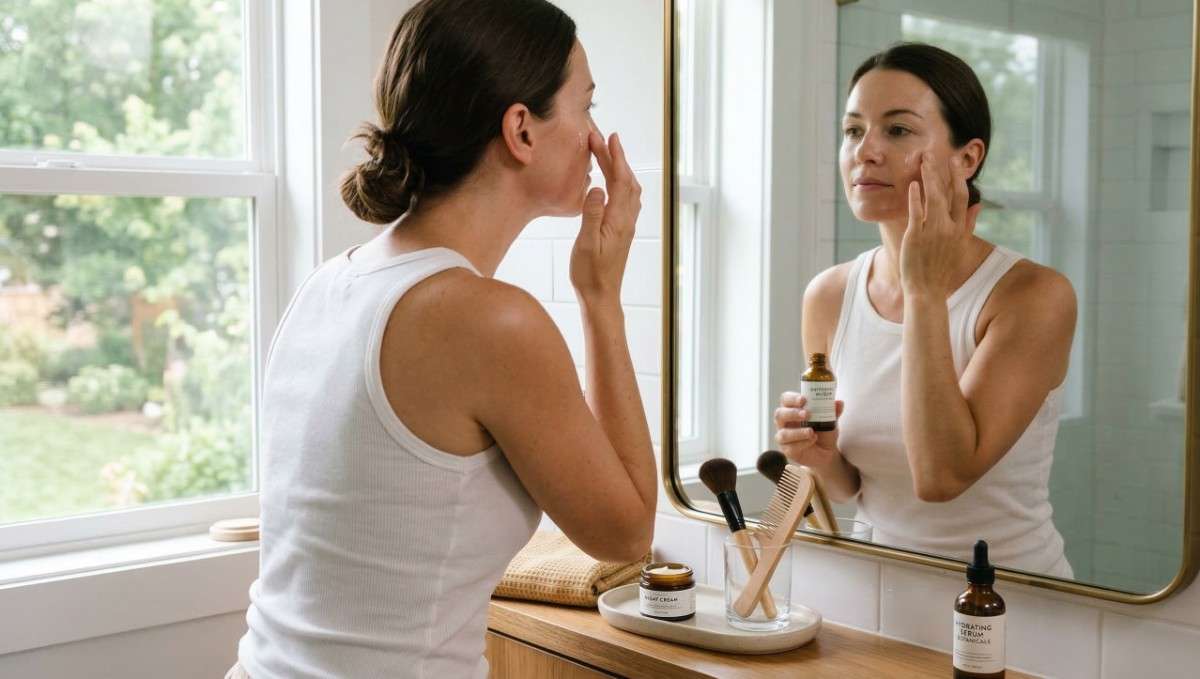
Establishing a skincare routine that includes hydration-focused products is beneficial. Utilising gentle cleansers, alcohol-free toners, and moisturisers suited to your skin type can help safeguard against moisture loss.
Additionally, incorporating hydrating serums with ingredients like hyaluronic acid can provide a boost of hydration. Using a gentle facial exfoliator improves product absorption.
Advanced Hydration Strategies
For those seeking more intensive hydration methods, professional skin treatments can provide solutions. Treatments such as hydrafacials and other moisture-infusing therapies administered by skincare professionals can significantly increase the skin’s hydration levels.
Barrier Repair and Protection
Protecting the skin’s barrier function is critical. Applying products containing ceramides, glycerin, and fatty acids can help rebuild the skin’s natural barrier, preventing moisture from escaping and defending against environmental stressors.
Understanding Product Ingredients
When selecting skincare products, understanding the function of key hydrating ingredients is imperative. Emollients like shea butter can smooth the skin, humectants such as glycerin attract water, and occlusives create a protective layer that locks in moisture.
Seasonal Considerations for Hydration
With each changing season, skin hydration needs can vary. Winter demands richer, more protective moisturisers to combat the drying effects of colder temperatures and indoor heating. Summer may require lighter formulations that provide hydration without overwhelming the skin in humid conditions.
The Impact of Skin Type
Recognising your skin type is integral to hydration success. Dry skin may need thicker, cream-based moisturisers, whereas oily skin might benefit from oil-free and non-comedogenic hydrators that moisturise without clogging pores.
Night-time Hydration

Night-time is an excellent opportunity for intensive hydration as the skin naturally enters repair mode while we sleep. Using a richer night cream can significantly enhance skin hydration and rejuvenation overnight.
Culminating Insights for Skin Hydration
To conclude, maintaining a radiant complexion through optimal skin hydration is a multi-faceted endeavour that involves a combination of daily skincare practices, healthy lifestyle choices, and, when necessary, professional skin treatments. Preservation of the skin’s moisture balance requires diligence and knowledge about the various internal and external factors that affect skin health.
Embracing a Comprehensive Approach
By embracing a comprehensive approach that combines proper diet, adequate water intake, consistent skincare routines, and understanding the importance of seasonality and skin type, individuals can achieve a radiant and hydrated complexion.
t’s important to remain adaptable and responsive to the skin’s changing needs to ensure it remains supple, resilient, and youthful-looking. In summary, skin hydration represents a cornerstone of healthy skin, and with the right strategies, it’s possible to not only improve but preserve a glowing complexion for years to come.