
Toilet maintenance may not be the most glamorous subject, but it’s certainly an essential aspect of household management. Proper care and attention can prevent the inconvenience, unpleasantness, and potential expense of dealing with a blocked toilet. In this guide, we offer crucial insight into the preventative measures that can be taken to keep toilets functioning smoothly.
Understanding the Common Causes of Toilet Blockages
Before diving into preventative strategies, it’s important to understand what typically causes toilet blockages. The usual culprits include excessive toilet paper, sanitary products, foreign objects, and accumulation of waste. It’s also worth noting that structural issues, such as inadequate plumbing or a build-up of minerals in the pipes, can also contribute to blockages.
Regular Toilet Cleaning
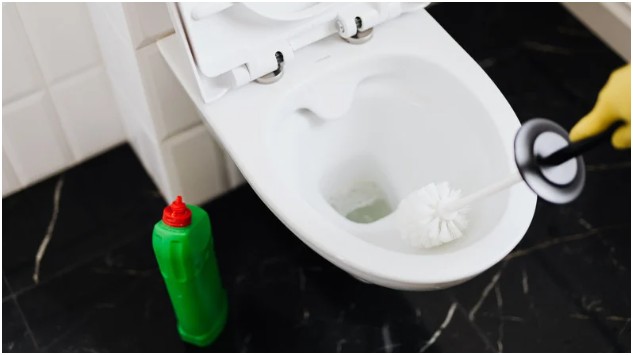
One of the simplest yet most effective ways to prevent a blocked toilet is regular cleaning. This does not just pertain to the bowl, but also includes the siphons and drain pipes. Frequent cleaning keeps the passages clear, reduces the likelihood of clogs due to bacterial build-up, and ensures that early signs of potential blockages can be spotted and addressed promptly.
Avoid Overloading with Toilet Paper
Excess use of toilet paper is a common reason for blockages. Encouraging moderate use amongst all users and opting for toilet paper that disintegrates more easily can help prevent the problem. A good rule of thumb is to use only as much as is necessary and to flush regularly during use if needed.
Appropriate Disposal of Non-Flushable Items
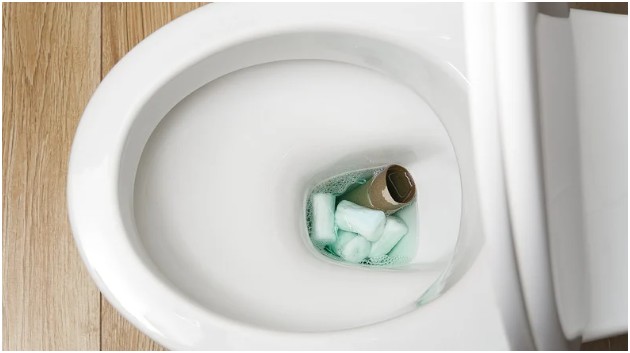
Many items that are often thoughtlessly flushed – such as wipes, cotton swabs, sanitary products, and dental floss – do not break down easily and can quickly cause blockages. Providing a bin in your bathroom for the disposal of such items is an easy solution that can greatly reduce the risk of a blocked toilet.
Addressing Hard Water Issues
In areas with hard water, minerals can deposit in your pipes, reducing flow and contributing to blockages. Installing a water softener or regularly applying descaling agents to your toilet system can mitigate this risk and prolong the life of your plumbing.
Being Mindful of “Flushable” Products
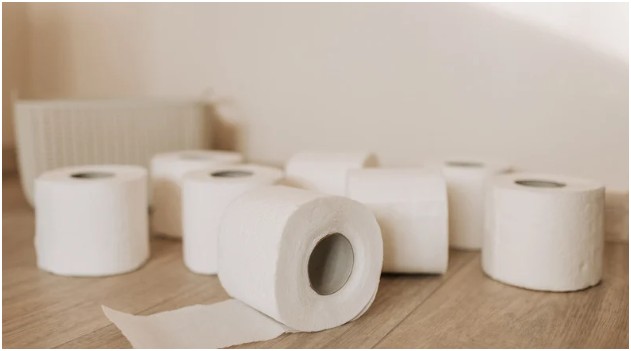
Despite some products being marked as flushable, many so-called “flushable” wipes and other items do not break down as readily as toilet paper. It is safer to assume that nothing other than waste and toilet paper should be flushed.
Educating Household Members
Education plays a big role in preventing a blocked toilet. Ensure all household members, including guests, are aware of what should and shouldn’t be flushed. Making this information readily available and noticeable can prevent accidental clogs and maintain functionality in home.
Regular Inspections and Maintenance
Beyond everyday actions, scheduling regular inspections can be integral to maintaining a healthy plumbing system. Professional plumbers can identify and resolve small issues before they escalate into major problems such as significant blockages.
Installing the Right Toilet
Choosing the right toilet matters. Modern, high-efficiency toilets are designed to use less water while still providing enough force to prevent blockages. When it’s time to replace or upgrade your toilet, consider models that are reputed for their clog-preventing design.
Using a Plunger Correctly
For small blockages, knowing how to use a plunger correctly can save the day. Ensure a tight seal and use a forceful but careful motion to dislodge minor blockages without damaging the toilet or plumbing.
When Prevention Is Not Enough
Despite best efforts, sometimes blockages still occur. At this point, it’s critical to act promptly to prevent overflow and further complications. While a plunger can deal with minor issues, severe blockages may require professional intervention.
Seeking Professional Help
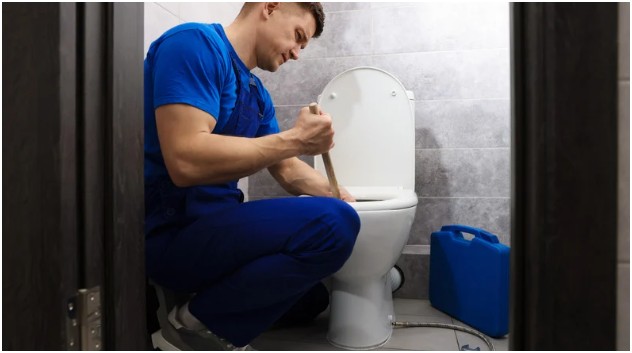
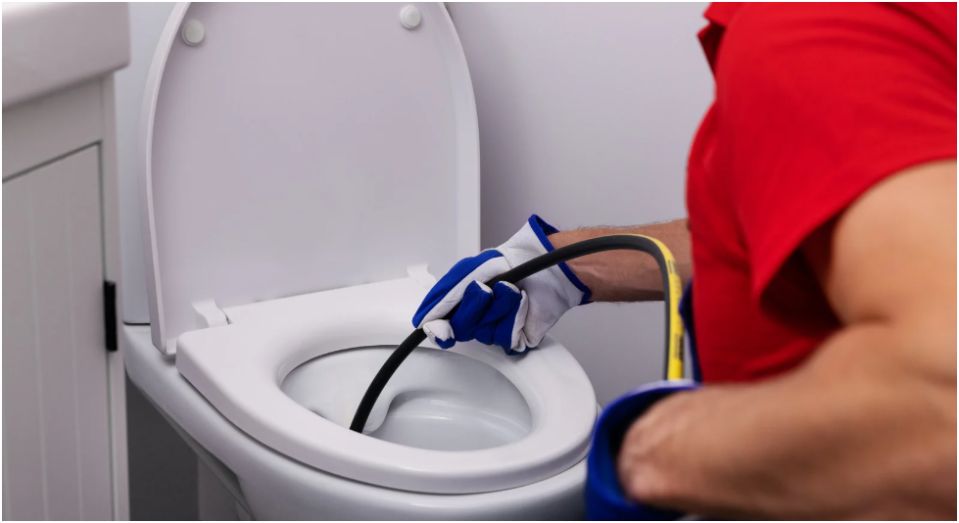
If a blockage persists or is too severe for you to handle alone, it’s time to call in the professionals. Reputable plumbing services have the expertise and equipment necessary to tackle the issue efficiently and effectively, minimizing the risk of damage to your plumbing system and ensuring everything is returned to optimal condition.
Regular Maintenance with Professional Plumbers
Partnering with a reliable plumbing service for regular maintenance can help detect and prevent issues early. Professional plumbers can perform a thorough check-up of your toilet and entire plumbing system, identify any potential problems, and provide solutions before a crisis occurs.
The Best Defence Is Prevention
While no method can guarantee a completely blockage-free toilet, following the above guidelines can significantly reduce the risk. By understanding the common causes of blockages and implementing routine maintenance, you can maintain the comfort and hygiene of your bathrooms.
And remember, should you encounter a persistent or complicated blocked toilet, don’t hesitate to contact a professional plumber to swiftly address the problem. Vigilant toilet maintenance is not only about inconvenience prevention; it’s also about preserving the longevity and functionality of your home’s essential systems.