

We often associate the signs of aging with the surface of our skin. When we look in the mirror and notice fine lines, deepening folds, or the beginning of jowls, our first instinct is usually to blame a loss of collagen or elastin.
We invest in expensive creams, serums, and non-invasive skin tightening procedures, hoping to lift and firm our appearance.
What Is Jawbone Loss?
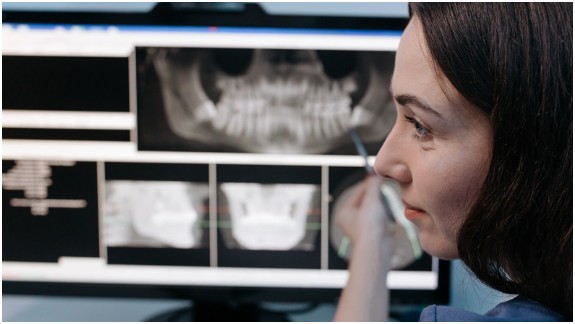
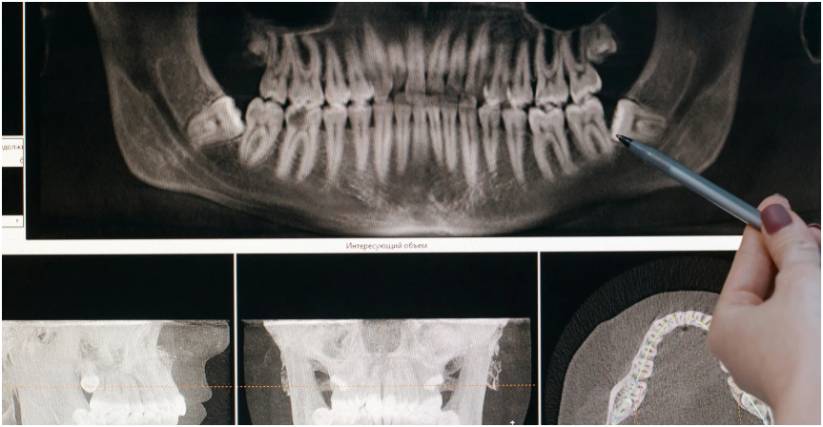
Your jawbone, specifically the alveolar bone, has a very specific purpose: to support and hold your teeth. It is a symbiotic relationship.
When you chew and bite, the roots of your teeth transmit physical stimulation to the jawbone. This stimulation signals the body to send nutrients to that area, keeping the bone dense, healthy, and strong.
Jawbone loss, also known as resorption, occurs when that stimulation ceases or when destructive bacteria attack the bone tissue.
The Primary Causes
There are two main culprits behind this structural decline:
1. Missing Teeth: When a tooth is extracted or lost due to trauma, the alveolar bone no longer receives the necessary stimulation from the tooth root. The body, efficient as it is, begins to view that portion of the bone as unnecessary.
Over time, the body reabsorbs the calcium and minerals from that section of the jaw, causing the bone to shrink in height and width. This process can begin almost immediately after a tooth is lost.
2. Periodontal Disease: This is a severe gum infection that damages the soft tissue and destroys the bone that supports your teeth. It is caused by plaque buildup that hardens into tartar.
As the bacteria multiply, they release toxins that break down the connective tissue and bone, leading to tooth loss and significant bone deterioration.
While aging and osteoporosis can contribute to a decrease in overall bone density, the localized loss of jawbone is most often tied to dental health issues.
The Domino Effect: How Bone Loss Changes Your Face
To understand how bone loss leads to sagging, imagine a tent. The canvas of the tent represents your skin and facial muscles, while the tent poles represent your skeletal structure (your jaw and cheekbones). If you shorten or remove the poles, the canvas no longer sits taut; it drapes, folds, and sags.
This is exactly what happens to the face during jawbone resorption. As the jaw shrinks, the soft tissues of the face—muscles, fat, and skin—lose their support system. Since the skin cannot shrink to match the reducing bone volume, the excess tissue yields to gravity.
Specific Changes to Facial Structure
The consequences of this structural collapse are visible in the lower third of the face:
- Collapsed Profile: As the bone resorbs, the distance between the nose and the chin decreases. This can make the lower third of the face appear significantly shorter than the rest, disrupting facial harmony.
- Protruding Chin: Without the height of the jawbone to balance it, the chin can appear to rotate forward and upward, creating a sharper, more pointed look often referred to as a “witch’s chin.”
- Thinning Lips: Your teeth and jawbone provide support for your lips. When that support diminishes, the lips can roll inward, appearing thinner and creating deep vertical wrinkles around the mouth.
- Jowls and Marionette Lines: The most common complaint is the formation of jowls. As the jawbone recedes, the skin and muscle detach and sag along the jawline. Deep creases, known as marionette lines, often form running from the corners of the mouth down to the chin.
Restoring the Foundation: Treatment Options
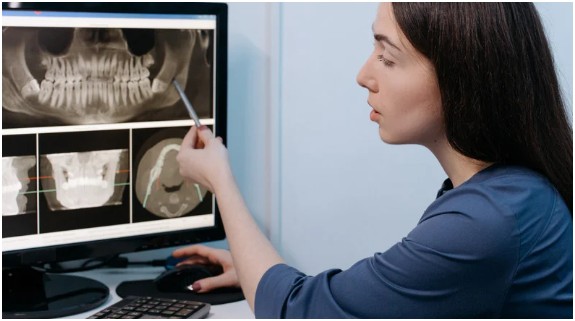
Fortunately, modern dentistry offers solutions that go beyond aesthetics. To effectively treat facial sagging caused by bone loss, you must address the underlying structural deficiency. Masking the issue with dermal fillers may provide temporary relief, but it does not stop the bone from resorbing further.
Dental Implants
Dental implants are widely considered the gold standard for replacing missing teeth because they are the only restoration method that mimics the natural tooth root. A titanium post is surgically placed into the jawbone, where it fuses with the bone tissue through a process called osseointegration.
This artificial root provides the necessary stimulation to the jawbone, halting the resorption process and preserving the remaining bone density.
By restoring the height and width of the dental arch, implants prop up the facial muscles and skin, effectively acting as a “facelift” from the inside out.
Bone Grafting
For patients who have already experienced significant bone loss, there may not be enough foundation to support an implant immediately. In these cases, bone grafting is a viable solution.
During this procedure, a dentist or oral surgeon builds up the jawbone using grafting material—which can come from the patient’s own body, a donor, or synthetic sources. This material serves as a scaffold for the body to regenerate new, healthy bone.
Once the graft has healed and solidified, the jaw is strong enough to support dental implants, restoring both function and facial aesthetics.
Comprehensive Aesthetic Planning
Addressing dental health often involves a combination of structural and cosmetic procedures. For instance, a patient might visit a clinic initially looking for veneer placement services in Pittsburgh to improve the surface appearance of their smile.
However, a skilled dental professional will conduct a comprehensive evaluation to ensure the underlying bone is healthy enough to support those aesthetic upgrades. If bone loss is present, addressing the foundation first ensures that any cosmetic work leads to a lasting, youthful result.
Prevention Tips for a Youthful Profile
Preventing jawbone loss is far easier than reversing it. Protecting your facial structure begins with a commitment to oral health.
- Prioritize Oral Hygiene: Brushing twice a day and flossing daily are your best defenses against periodontal disease. By keeping gum disease at bay, you protect the bone that supports your teeth.
- Replace Missing Teeth Immediately: If you lose a tooth, do not wait to replace it. The bone begins to recede quickly after extraction. Consulting with a dentist about implants or bridges right away can save your bone structure.
- Regular Dental Visits: Professional cleanings and exams allow your dentist to detect early signs of gum disease or bone recession before they become severe.
- Nutrition: Ensure your diet is rich in calcium and Vitamin D to support overall bone density. Avoiding smoking is also critical, as tobacco use restricts blood flow to the gums and significantly impairs bone healing.
Conclusion
Facial sagging is often accepted as an inevitable part of getting older, but when it stems from jawbone loss, it is a treatable and preventable condition. It is not merely a cosmetic issue; it is a sign that your oral health foundation is compromised.