
Your smile is often the first feature people notice, yet many individuals treat dental care as an afterthought. It is easy to skip flossing when you are tired or delay a dental checkup when your schedule feels full. However, oral health involves much more than keeping your smile bright. Your mouth serves as the gateway to the rest of your body. Neglecting your teeth and gums can lead to significant health issues, financial burdens, and a decrease in overall quality of life. Making your teeth a top priority is one of the smartest investments you can make for your future.
The Connection to General Health
Many people view the mouth as separate from the rest of the body, but this is a dangerous misconception. Oral health shares a direct link with systemic health. Your mouth teems with bacteria. Most of it is harmless, provided you maintain good hygiene. However, without regular brushing and flossing, bacteria levels can reach a point that leads to oral infections like tooth decay and gum disease.
Research suggests that oral bacteria and the inflammation associated with a severe form of gum disease (periodontitis) might play a role in some diseases. Endocarditis, an infection of the inner lining of your heart chambers or valves, occurs when bacteria from other parts of your body spread through your bloodstream. Gum disease has also been linked to cardiovascular disease, clogged arteries, and stroke. By keeping your teeth and gums clean, you actively protect your heart and immune system.
Digestion Begins in the Mouth

The primary function of your teeth is to break down food. Digestion starts the moment you take a bite. Your teeth tear, grind, and crush food into smaller pieces, making it easier for you to swallow and for your stomach to process. This physical breakdown increases the surface area of the food, allowing enzymes in your saliva to begin the chemical process of digestion.
When you have painful, loose, or missing teeth, you likely alter your diet to avoid chewing discomfort. This often means cutting out fresh fruits, vegetables, and protein-rich meats in favor of softer, processed foods. Over time, this dietary shift can lead to nutritional deficiencies and digestive issues. Prioritizing dental health ensures you can eat a varied, nutrient-dense diet that fuels your body properly.
Financial Benefits of Prevention
Some people avoid the dentist due to cost, but reactive care is almost always more expensive than preventive care. Routine cleanings, exams, and x-rays are relatively affordable compared to the treatments required for advanced neglect. A small cavity is simple and cheap to fill. If left untreated, that same cavity can reach the nerve, requiring a root canal and a crown. If the tooth becomes non-restorable, you face an extraction.
Replacing a missing tooth is a significant financial undertaking. Ignoring the problem leads to bone loss in the jaw, which complicates future restoration attempts. Addressing issues early or, better yet, preventing them entirely, keeps money in your pocket.
Protecting Your Facial Structure
Your teeth do more than chew; they support the muscles of your face and stimulate the jawbone. When you lose a tooth, the bone in that area no longer receives the necessary stimulation from chewing pressure. The body begins to resorb the bone, causing the jaw to shrink. This loss of volume can change the shape of your face, leading to a sunken appearance that makes you look older than you are.
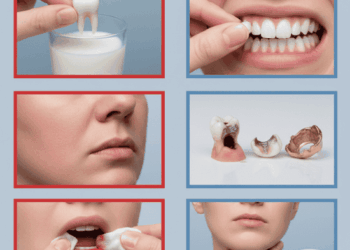
Timely intervention is crucial if you do lose a tooth. Modern dentistry offers various solutions to halt bone loss and restore aesthetics. For residents in the Midwest seeking options, scheduling a consultation for tooth replacement in Schererville IN can help maintain facial structure and oral function. Taking action quickly prevents the domino effect of shifting teeth and further bone deterioration.
The Confidence Factor

The psychological impact of a healthy smile is profound. People with damaged or discolored teeth often learn to hide their smiles. They might speak with their hand over their mouth or avoid social interactions entirely. This self-consciousness can hinder professional opportunities and personal relationships.
When you prioritize your teeth, you feel better about your appearance. You smile more freely, which projects confidence and approachability to others. A healthy mouth eliminates worries about bad breath or visible decay, allowing you to focus on the conversation rather than your insecurities.
Establishing a Routine
Making your teeth a priority requires consistency. Brush twice a day with fluoride toothpaste and floss daily to remove plaque from between teeth where a brush cannot reach. Limit sugary snacks and acidic beverages that erode enamel. Most importantly, visit your dentist twice a year for professional cleanings. These visits allow professionals to remove hardened tartar and catch potential issues while they are still minor.
Your dental health is a critical component of your overall well-being. By dedicating time and effort to your oral care routine, you safeguard your body against disease, protect your finances, and ensure you can enjoy a healthy diet and a confident smile for years to come.